
Before the Nor’easter: Get Your New England Home Ready for Heavy Rain and Wind

Wouter Broekema
Co-Founder & CEO
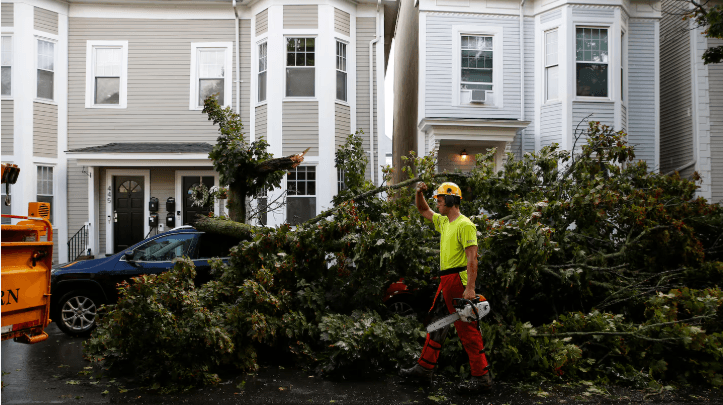
A fall nor’easter can bring heavy rain, strong winds, and coastal flooding to New England. Before conditions deteriorate, a little preparation can help you avoid bigger problems later. Start with three priorities: give water a clear path away from your home, secure loose outdoor items, and get ready for a power outage. National Weather Service
1. Give rainwater somewhere to go
Fallen leaves can clog gutters and downspouts just when you need them most. Arrange to have blockages cleared before the storm, and check that downspout outlets direct water away from your foundation. Leave work involving roofs or ladders to a qualified professional, and finish outdoor work before wind and rain arrive. NWS preparation guidance
2. Check your basement before it gets wet
If you have a sump pump, test it according to the manufacturer’s instructions and check its backup power supply. Move valuables, electronics, and important paperwork off the basement floor and out of areas that have flooded before. A working pump is useful, but it cannot guarantee a dry basement during intense rainfall. Massachusetts flood safety guidance
3. Secure the yard, porch, and deck
Bring in lightweight furniture, umbrellas, planters, toys, and seasonal decorations. Secure items that cannot be brought inside. From the ground, look for damaged branches or loose exterior materials that need professional attention. Keep clear of trees or limbs near utility lines. NWS wind preparation guidance
4. Prepare for a power outage
Charge phones and power banks. Gather flashlights, batteries, medications, pet supplies, and at least three days of food and drinking water. Make a household communication plan, including how you will check on relatives or neighbors who may need help. NWS nor’easter guidance
If you use a portable generator, operate it outdoors at least 20 feet from doors, windows, and vents—never inside a home, basement, or garage, even with the door open. Check that battery-powered or battery-backup carbon monoxide alarms are working. CDC power outage safety
5. Know your local flood risk
Check your town’s forecast and alerts at Weather.gov. Coastal homeowners should also watch for coastal flood warnings and evacuation instructions. Follow local officials’ directions, and never walk or drive through floodwater. Avoid flooded basements and electrical equipment in wet areas. Massachusetts flood safety guidance
Keep your home’s information close
Before the storm, take photos of your home and important belongings. Save contractor contacts, equipment details, and maintenance records in Abodio, and keep essential contacts available offline in case you lose connectivity.
Once conditions are safe, photograph any damage and record the repairs your home needs. Having that information organized gives you a clearer starting point when it’s time to call for help.
About the author
Wouter Broekema
Wouter brings over 20 years of experience in hospitality and real estate management. His vision for simplifying homeownership drives Abodio's product strategy and growth.