How to Keep Pests Out of Your Home When the Seasons Change

Amber Abram
Marketing
As summer gives way to fall, your home starts changing too. Windows close. The heat comes on. Houseplants move indoors. Firewood gets stacked. Leaves collect around the foundation. Seasonal decorations come out of storage, and apples, tomatoes, squash, and other fall produce start piling up in the kitchen.
Those same seasonal changes also make your home more attractive to pests looking for food, warmth, water, and shelter.
The good news is that you can prevent many fall pest problems without harsh chemicals. A few simple maintenance habits can help keep unwanted visitors outside where they belong.
Seal Small Openings Before the Weather Gets Colder
One of the most effective ways to prevent pests is also one of the simplest: block their way inside.
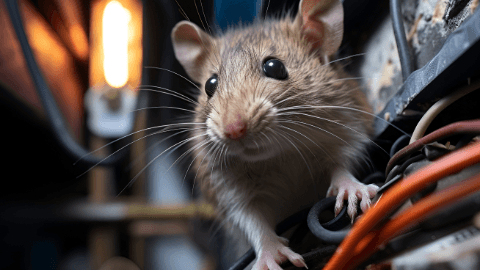
According to the CDC, mice can squeeze through an opening just 1/4 inch wide, about the width of a pencil.
Take a walk around the exterior of your home and check for gaps around:
Doors and garage doors
Windows
Pipes and utility lines
Dryer vents
Foundation openings
Basement windows
Siding
Attic and crawl-space vents
Replace worn weatherstripping, repair damaged screens, and seal small openings with appropriate materials.
For small rodent entry points, the CDC recommends materials such as steel wool secured with caulk. Larger openings may require hardware cloth, metal screening, cement, or other durable materials.
Check Under the Hood, Too
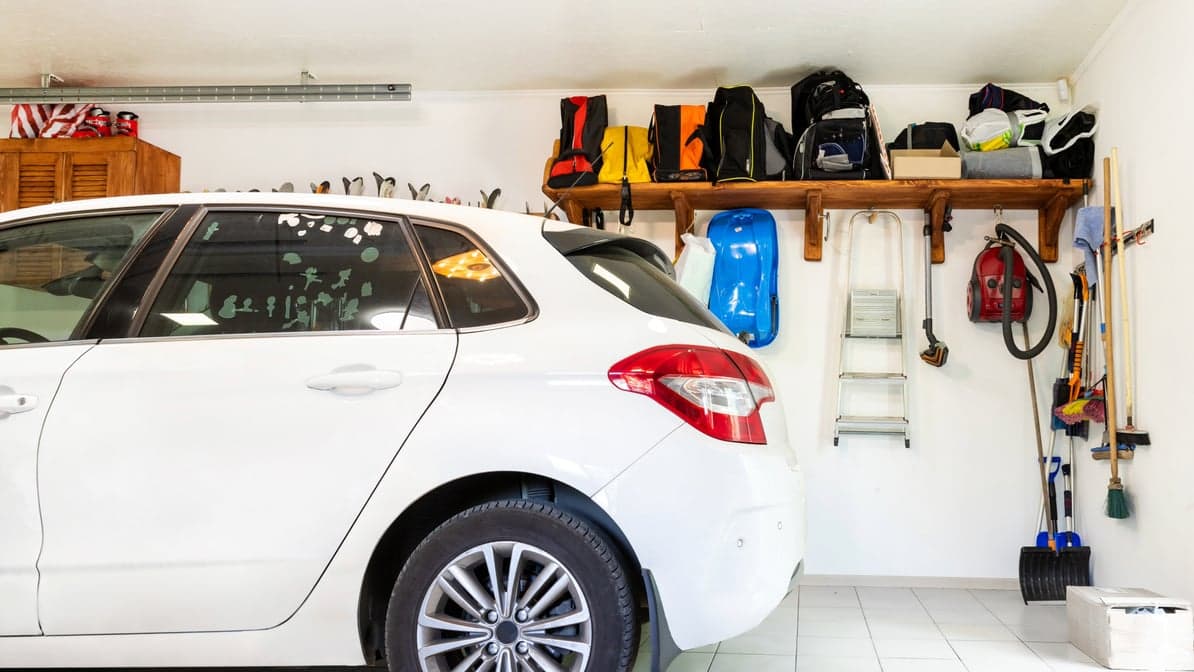
As temperatures drop, animals may look for shelter in places you wouldn't normally think to check. Mice, squirrels, chipmunks, and other small animals can nest in car engine compartments, grills, sheds, outdoor furniture, lawn equipment, and storage areas where they are protected from wind and cold.
Before starting a vehicle that has been sitting, firing up the grill, or pulling out seasonal equipment, take a quick look for nesting material, droppings, chewed wires, or other signs of activity.
Keep food scraps cleaned up, cover grills, seal sheds, and move stored materials away from walls to make these hidden spaces less inviting.
Check Houseplants Before Bringing Them Indoors
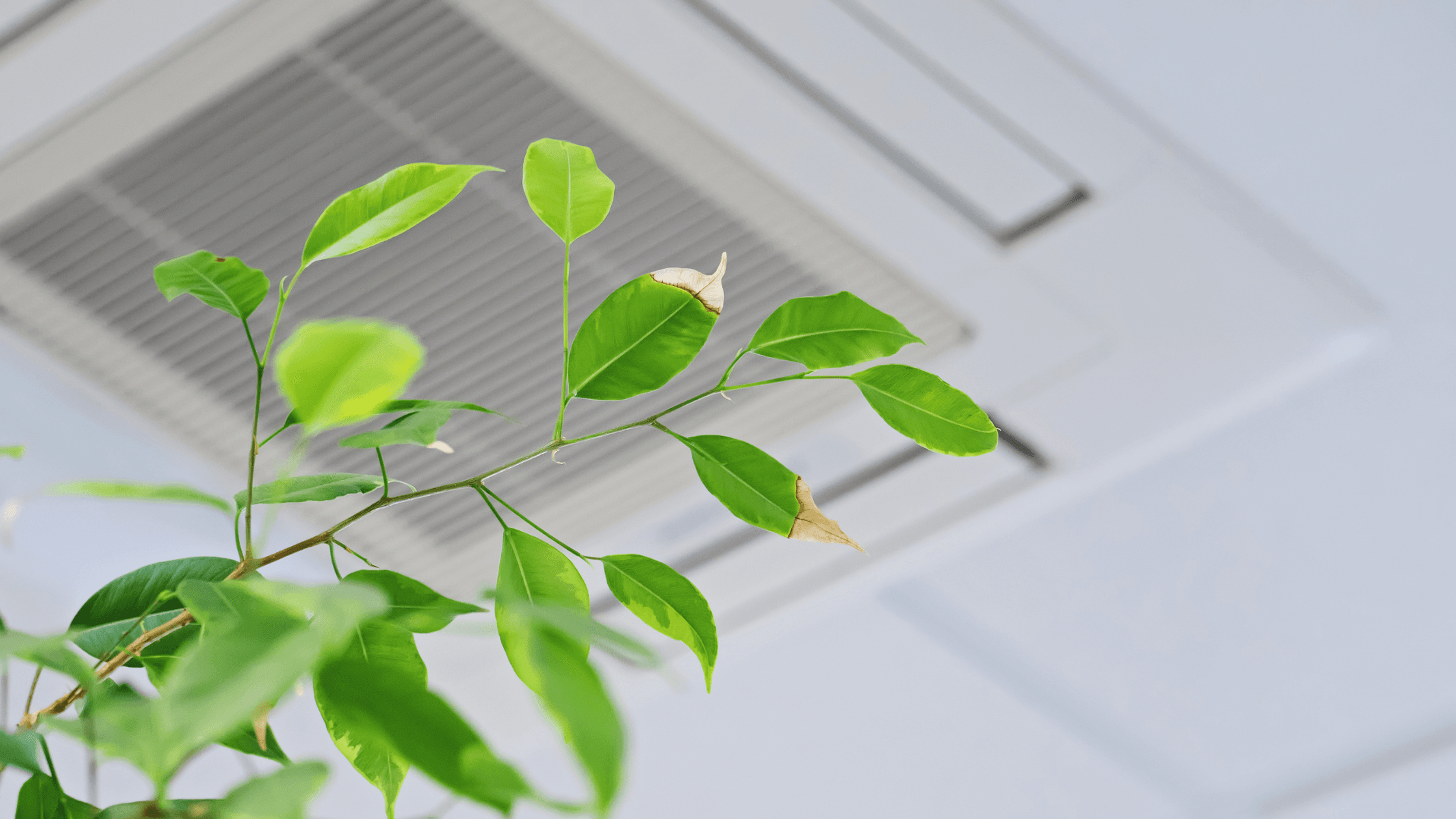
If your houseplants spent the summer on a porch, patio, or deck, inspect them closely before bringing them inside.
Plants can carry ants, spiders, earwigs, and other insects indoors. Check the undersides of leaves, stems, pots, drainage trays, and the soil surface.
Remove dead leaves and debris and look for signs of insects before moving plants into their winter locations.
Keep Firewood Away From the House
A stack of firewood may feel like a fall essential, but it can also provide shelter for insects and rodents.
Store firewood away from your home's exterior walls and keep it raised off the ground when possible. Bring in only what you expect to use soon rather than storing large quantities indoors.
The CDC recommends keeping woodpiles away from the house and elevated as part of rodent prevention.
Stay Ahead of Falling Leaves
Leaves are not just a chore for the rake. When they pile up against foundations, under shrubs, around basement windows, or beneath decks, they can create damp, protected hiding places for insects and rodents.
The EPA's Integrated Pest Management approach recommends removing shelter and nesting areas to prevent pest problems before they start.
Rake leaves away from the foundation, clear window wells, and trim vegetation that is touching the house.
Prepare for Stink Bug Season
If stink bugs seem to appear out of nowhere every fall, there is a seasonal reason.
Brown marmorated stink bugs seek protected places to spend the winter and may gather on the sunny sides of homes before finding openings that lead indoors.
Penn State Extension recommends mechanical exclusion as the best way to prevent them from entering. That means sealing cracks around windows, doors, siding, chimneys, pipes, and other openings.
Once they are inside, vacuuming is often a better option than spraying. (Just be sure to quickly empty your vacuum filter.)
The good news: stink bugs don't reproduce inside the home or cause structural damage. They are mainly a nuisance.
Do Not Forget Fruit Flies
Fall can also be prime fruit fly season.
Apples on the counter, tomatoes from the garden, cider, wine, overripe produce, and a full recycling bin create ideal conditions for fruit flies.
University of Maryland Extension notes that fruit fly populations are often greatest indoors in late summer and fall.
Fruit flies are attracted to overripe fruits and vegetables as well as fermenting liquids such as fruit juice, beer, wine, and vinegar.
To reduce fruit flies:
Refrigerate ripe fruit when possible
Throw away overripe or damaged produce
Rinse bottles and cans before placing them in recycling
Empty compost and trash frequently
Clean sticky spills around bins and appliances
Keep damp towels and sponges from sitting wet
Use a simple vinegar trap for remaining adult flies
University of Maryland Extension suggests using apple cider vinegar with a drop of dish soap in a jar as a simple homemade trap. If you prefer a more high-tech option, shop for blue, UV-lighted plug-in traps that draw flying bugs to the light and capture them on a disposable adhesive surface.
One important note: if small flies are gathering around sinks or drains instead of fruit, you may be dealing with drain flies. In that case, cleaning the organic buildup inside the drain is more effective than setting another vinegar trap on the counter.
Watch the Pantry as Fall Baking Season Begins
Fall often means a fuller pantry, with flour, sugar, grains, baking supplies, snacks, and pet treats all competing for shelf space.
That also means more potential food sources for pests.
Store dry goods in tightly sealed containers, wipe up crumbs and spills promptly, keep trash covered, and avoid leaving pet food out overnight.
Both the CDC and EPA recommend limiting pest access to food and water as a first line of defense.
Check Seasonal Decorations Before Bringing Them Upstairs
Do you store your Halloween decorations, holiday decor, blankets, and other seasonal items in attics, garages, sheds, or basements?
Before bringing boxes into your living space, check them for:
Droppings
Gnaw marks
Webs
Insects
Nesting material
Whenever possible, consider sealed plastic storage bins instead of cardboard. Cardboard, paper, and similar clutter can give pests places to hide and breed.
Fix Moisture Problems Before Winter
Food is only part of what attracts pests. Water matters too.
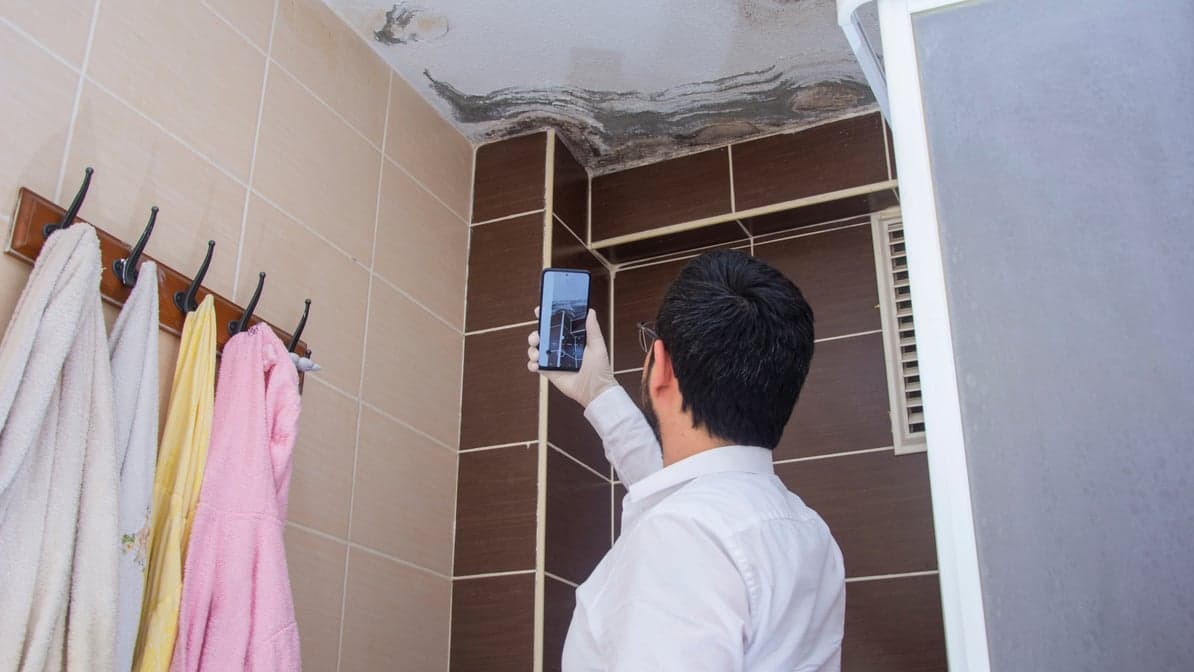
Dripping faucets, leaky pipes, damp basements, standing water, and wet areas beneath appliances can all create more inviting conditions for insects and rodents.
The EPA recommends repairing plumbing leaks and eliminating standing water as part of pest prevention.
Check under sinks, around washing machines and dishwashers, in basements, and anywhere condensation tends to collect.
Try Non-Toxic Pest Prevention First
Many fall pest problems can be addressed without immediately reaching for pesticides.
Start with prevention:
Seal entry points
Repair screens and door sweeps
Remove food and water sources
Clear clutter
Store firewood away from the house
Keep leaves away from the foundation
Inspect plants and stored items before bringing them inside
Use traps for rodents
Vacuum occasional insects
Clean drains when small flies are breeding there
The EPA refers to this prevention-first approach as Integrated Pest Management, or IPM. The goal is to reduce the things pests need to survive and limit their access to your home before using chemical treatments.
A Little Fall Maintenance Goes a Long Way
Fall pest prevention is mostly about timing.
Seal the small gaps before the temperature drops. Check the plants before bringing them inside. Move firewood away from the house. Clear the leaves. Store the flour. Toss the mushy apple.
A few simple steps now can make your home much less appealing to creatures looking for a cozy place to spend the winter.
Your house may be warm and comfortable, but there is no need to advertise vacancies.
Subscribe to Abodio for practical seasonal home tips, maintenance reminders, and expert guidance to help you stay ahead of problems before they become bigger ones.
About the author
Amber Abram
Amber has over 25 years of experience connecting with tourism, media, and PropTech audiences through print, out-of-home, publishing, events, and digital marketing.