Beat the Heat Without Burning Through Your Budget

Amber Abram
Marketing
Summer is here, and so are higher electric bills. The good news? A few simple habits can help keep your home cooler, protect your investment, and save you money all summer long.
Here are eight easy ways to make your home work smarter when the temperature rises.
1. Block the Afternoon Sun
Closing blinds and curtains on south- and west-facing windows during the hottest part of the day can help reduce the amount of heat entering your home. The U.S. Department of Energy estimates that up to 76% of sunlight entering through standard windows becomes heat inside your home.
2. Give Your A/C a Quick Checkup
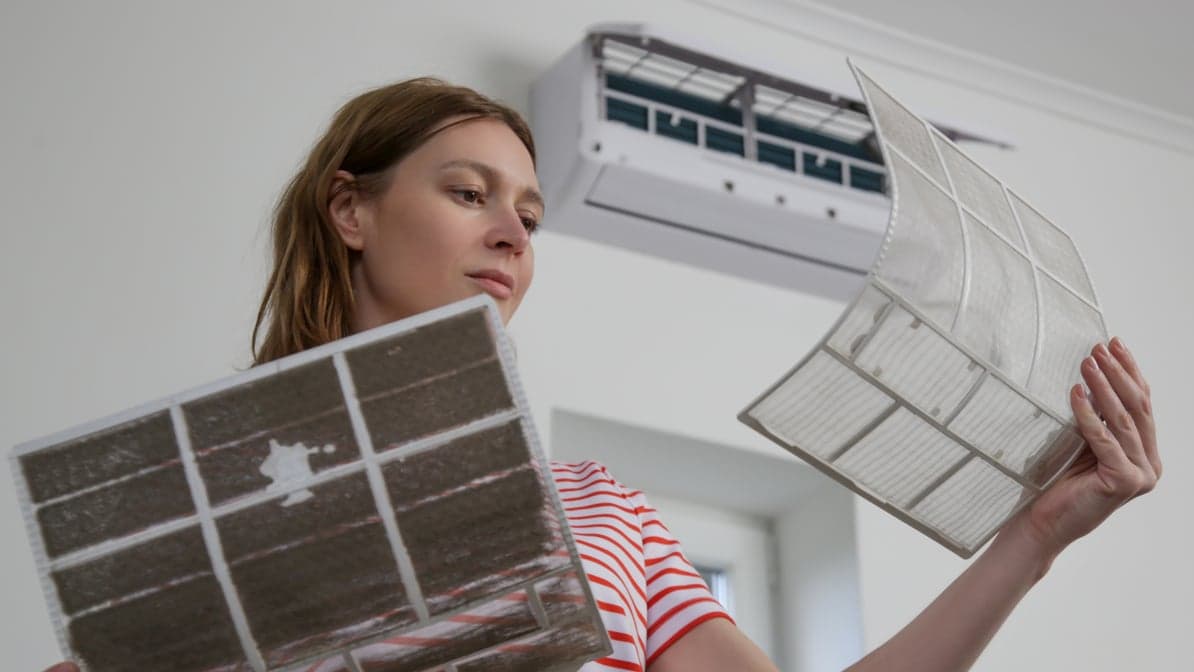
Replace your air filter, clear leaves and debris from around the outdoor unit, and make sure indoor vents aren't blocked. A clean system runs more efficiently, helping keep cooling costs down.
Money-Saving Tip: According to the U.S. Department of Energy, adjusting your thermostat by 7° to 10°F for about eight hours a day can save up to 10% annually on heating and cooling costs. A programmable or smart thermostat makes these adjustments automatically.
Be prepared for brown-out power outages on hot days when the electrical grid is under extreme stress. Consider what you might need if the power goes out for a few hours, and who you may want to check in on during local heat waves.
3. Keep Humidity Under Control
If your home feels cool but still sticky, humidity may be the culprit. Aim for an indoor humidity level between 30% and 50%. Running a dehumidifier can make your home feel more comfortable and may allow you to set the thermostat a little higher.
Also known as evaporative coolers, swamp coolers work by adding moisture to the air. They're very effective in hot, dry climates like the Southwest, but New England summers are already humid. Adding more moisture can make your home feel warmer and less comfortable, while forcing your air conditioner to work even harder.
If your home feels sticky, a dehumidifier is usually a much better investment than a swamp cooler.
4. Water Smarter
Even if your town does not have watering restrictions, water early in the morning or in the evening when less moisture evaporates.
Adding mulch around plants to help retain moisture, and prioritize trees and shrubs over your lawn. Grass usually bounces back once the rain returns.
The EPA WaterSense program recommends one inch of water a week for a typical landscape. Try placing a few empty tuna cans around your lawn to see how long it takes your sprinkler to fill them with a half-inch of water. Then try watering that amount twice per week to see how your yard responds. Contact your local water utility for additional cost-saving advice and watering recommendations for your climate.
5. Let Nature Help
Shade trees do more than beautify your property. They can help lower ambient temperatures and reduce the amount of heat your home absorbs. While you're outside, check for dead or damaged branches before summer storms roll through.
According to the U.S. Department of Energy, strategically placed landscaping, including shade trees, can help reduce cooling costs by blocking summer sun and creating a cooler microclimate around your home. The DOE also recommends planting deciduous trees (like maple or oak) where they'll shade windows and walls during the hottest months while allowing sunlight through in winter.
When you are planting trees, think long term with their mature size in mind. Give them enough room to grow without interfering with your home's foundation, roof, or overhead power lines. Don't forget to call 811 before you dig.
6. Let Ceiling Fans Do the Heavy Lifting
Set your ceiling fans to spin counterclockwise during the summer. This creates a cooling breeze that can make the room feel several degrees cooler, allowing you to raise your thermostat a few degrees without sacrificing comfort. Please remember to turn fans off when you leave the room; they cool people, not the air.
ENERGY STAR certified ceiling fans save energy and help protect the environment by reducing greenhouse gas emissions. They are also up to 44% more efficient than conventional fans.
7. Seal in the Cool Air
Take a few minutes to check for drafts around doors and windows. Worn weatherstripping and small gaps let cool air escape and hot air sneak in, making your air conditioner work harder. A simple tube of caulk or new weatherstripping is an inexpensive fix that can help lower your energy bills all summer long.
8. Don't Overlook Your Garage
Your garage can become one of the hottest places in your home during the summer. Keep the garage door closed as much as possible to reduce heat transfer into attached living spaces. It's also a good time to check that the weatherstripping around the garage door is in good condition.
Avoid storing heat-sensitive items like paint, batteries, propane cylinders, candles, or certain household chemicals where temperatures can soar. If you have a second refrigerator or freezer in the garage, make sure there's adequate airflow around it so it doesn't have to work overtime in the heat.
TIP: did you know you can track paint colors, stains, and replacement part model numbers in your Abodio home profile?
Bodie is Here to Help You Keep Your Cool When it Comes to Homeownership
Small maintenance tasks today can help prevent expensive repairs tomorrow. Spending just 30 minutes each month checking on your home can save hundreds, or even thousands, over time. Simply ask Bodie what should be on your radar this month.
About the author
Amber Abram
Amber has over 25 years of experience connecting with tourism, media, and PropTech audiences through print, out-of-home, publishing, events, and digital marketing.